
POSTNATURAL GARDENING
GENERAL INFO
- LED BY
-
Gabriel Alonso
- DATES
-
Tuesdays, from November 3 to 24, 2026
- TIME
-
6:00 – 8:00 PM (CET)
- FORMAT
-
4 online sessions via Zoom
- LANGUAGE
-
English
- FULL TUITION
-
€ 250
- DISCOUNT
-
20% for students & IPS alumni
How can vegetal life help us rethink coexistence in a postnatural world? What stories do plants tell beyond the frameworks of botany and horticulture? What if gardens were not spaces where humans control nature, but sites of negotiation between species, technologies, desires, histories, and ecologies?
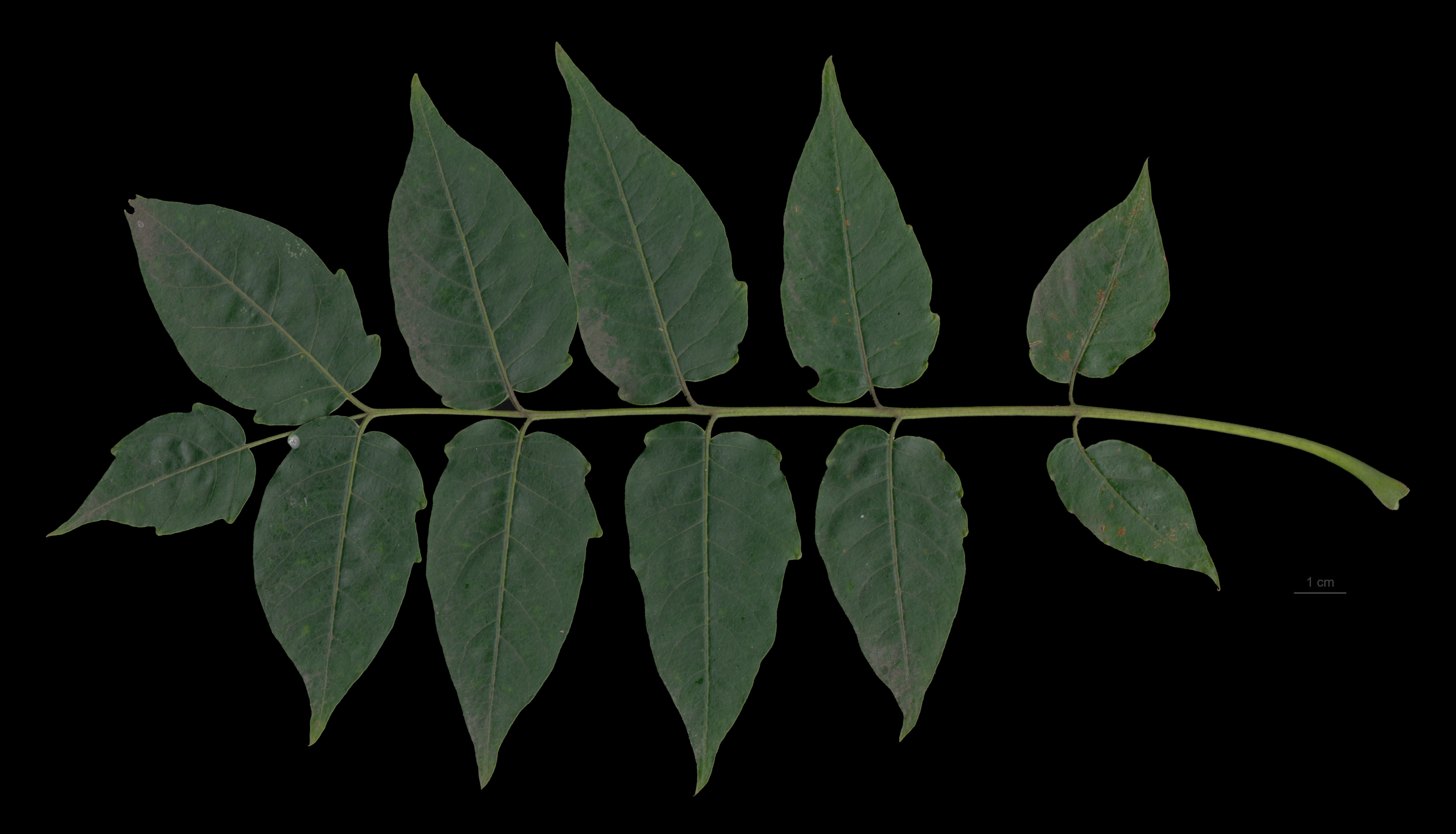
Ailanthus altissima
ABOUT
This seminar will explore plants and gardens as political and cultural constructs, unfolding a critical perspective around the multiple ecologies of the vegetal worlds. Moving beyond traditional understandings of botany, it will investigate plants as active agents in shaping cultures, narratives, agencies, territories, and imaginaries. Through artistic practices, ecological thought, environmental humanities, and critical histories of cultivation, it will examine gardens as spaces where colonialism, migration, care, resistance, technology, and multispecies alliances become visible.
POSTNATURAL GARDENING
Postnatural gardening emerges as a transformative practice that redefines our relationship with plants by creating counter- narratives and spaces where care, empathy, and mutual flourishing take precedence. Historically, botany developed as a field closely tied to colonial expansion, capitalism, and the commodification of plant life, with botanical gardens and herbaria serving as sites for the extraction and accumulation of knowledge about global flora. The Institute critically engages with these formations, asking how such practices have shaped not only our understanding of plants but also the larger epistemological frameworks that guide scientific inquiry. This seminar will narrate the stories behind plant species, opening broader socio-political and ecological questions. And reframing them as active participants in multispecies networks rather than passive objects of study. This reorientation encourages an experimental approach rooted in relationality and care, shifting the focus from controlling and extracting value from nature to fostering an ethical and reciprocal engagement with the more-than-human world.
Combining theoretical discussions, case studies, and speculative approaches, participants will develop new perspectives on vegetal life and the contemporary ecological relations they entail.
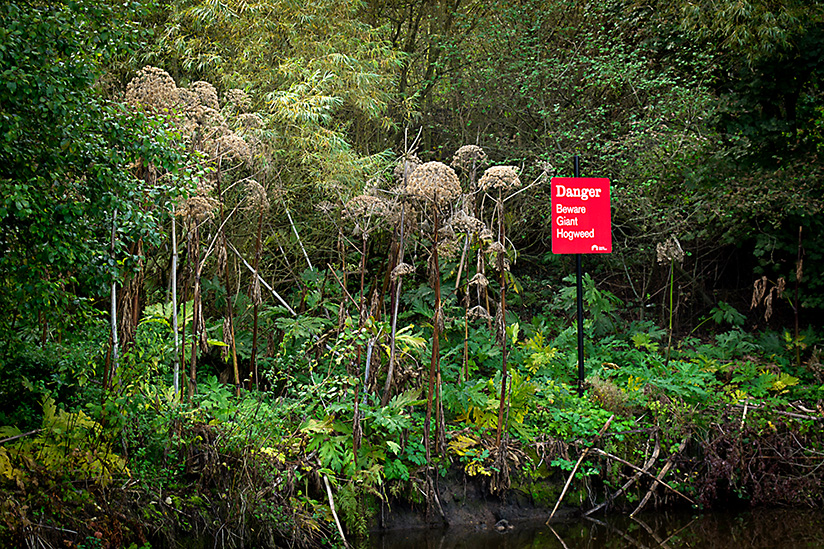
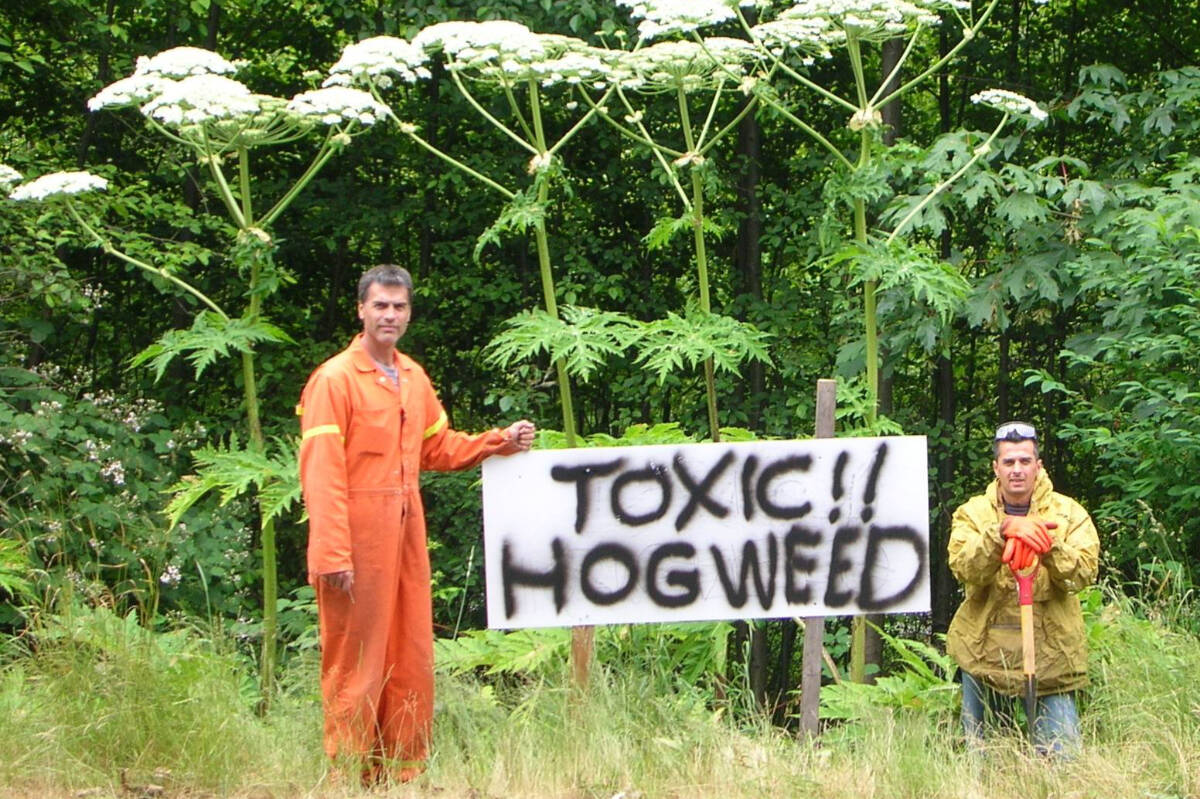
Giant Toxic Hogweed Marked as Dangerous
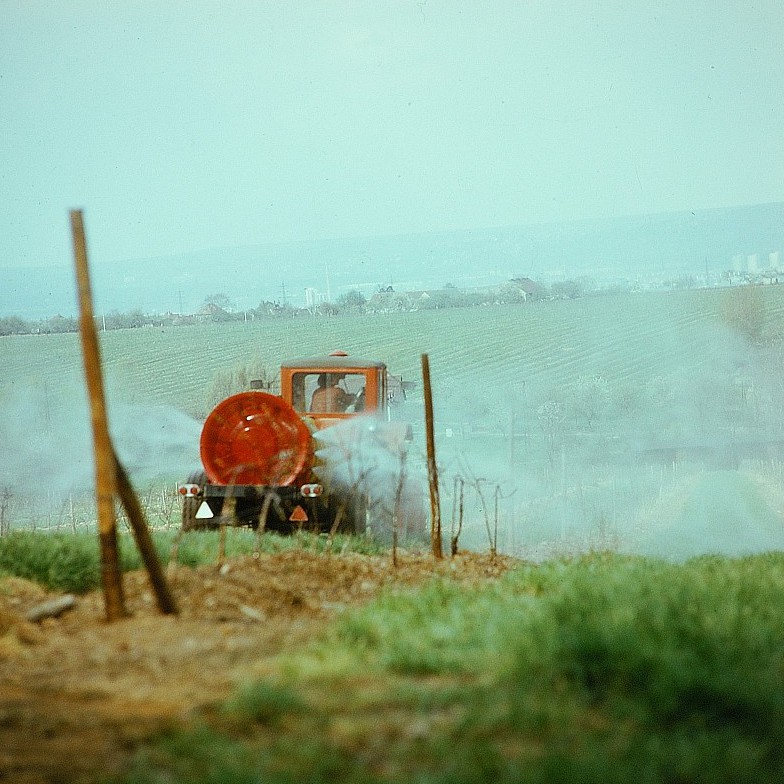
Crop Protection in Germany (Pflanzenschutz)
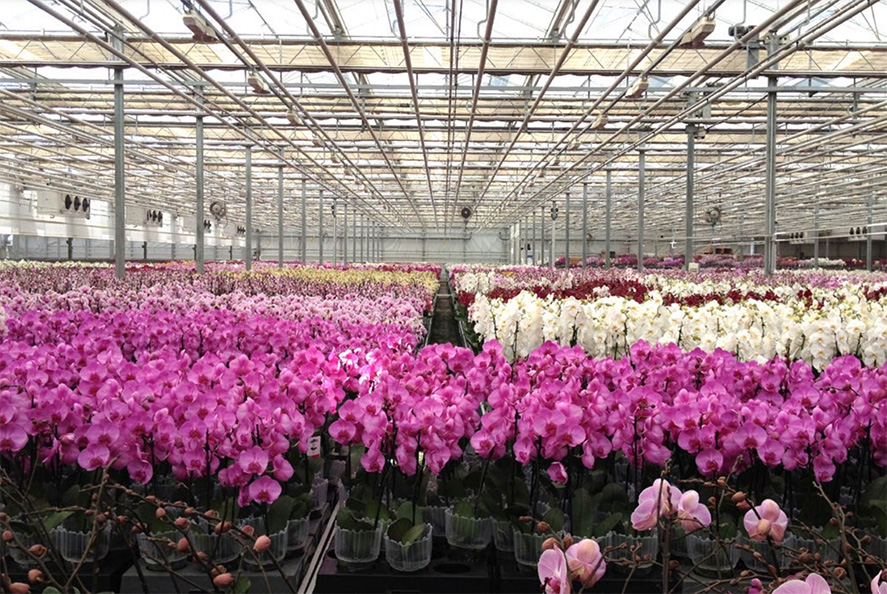
Large-scale Industrial Greenhouse Dedicated to Orchid Cultivation
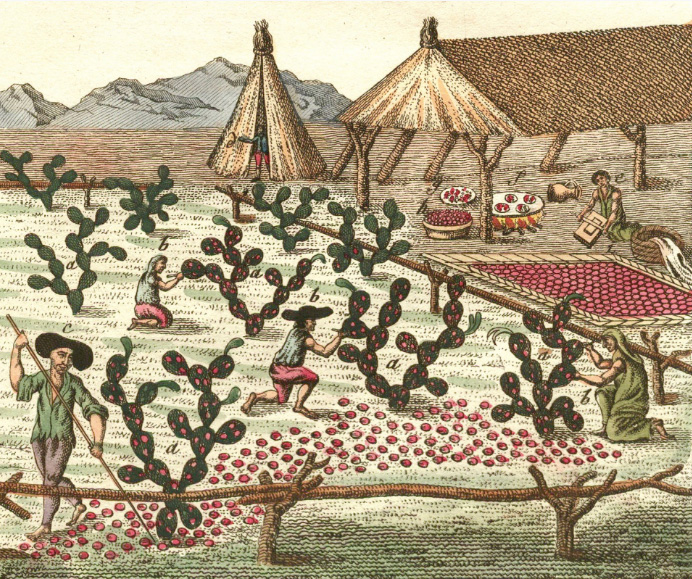
Colored Engraving Illustrating Cochineal Production in Mexico.
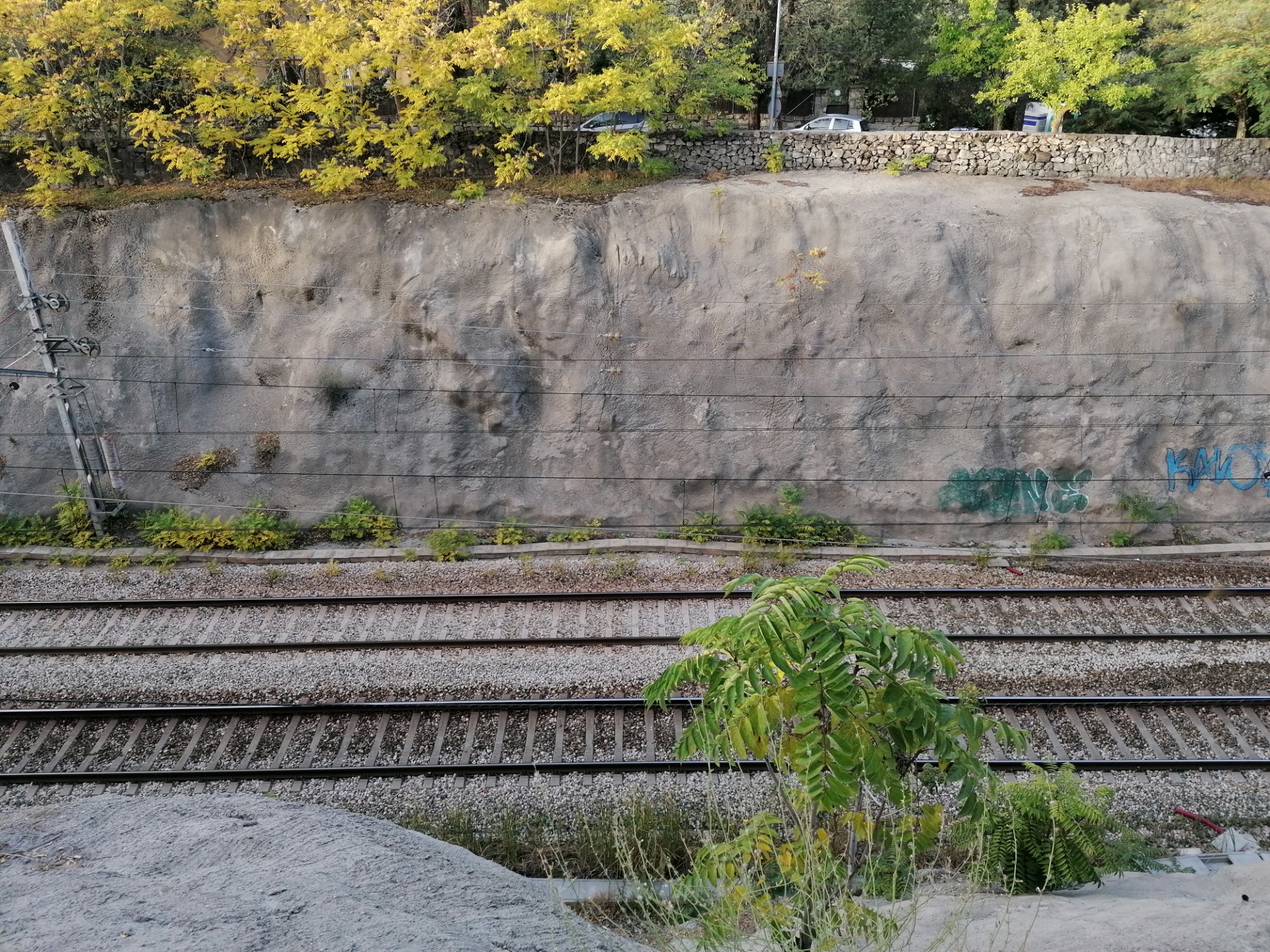
Tree of Heaven Growing Along Railway Tracks
SESSIONS
Session I – Plants as World-Makers: Vegetal Agencies Beyond Botany
03/11/2026
How does vegetal life challenge anthropocentric worldviews? What happens when plants cease to be objects and become subjects? Can we think with plants rather than merely about them?
This opening session introduces the conceptual foundations of postnatural gardening through a critical examination of modern botany and its taxonomic impulse. Drawing on contemporary plant studies, environmental humanities, and posthumanist philosophy, we will explore plants as active participants in world-making processes rather than passive resources, background scenery, or decorative elements.
We will trace how botanical knowledge emerged in close relation to colonial expansion, extraction, and scientific classification, while simultaneously considering alternative understandings of vegetal intelligence, perception, communication, and agency. Engaging with recent debates in plant philosophy, more-than-human studies, and political ecology, we will investigate how plants challenge conventional distinctions between subject and object, nature and culture, life and environment. This session proposes gardening as a critical mode of thinking and world-making: a situated practice through which humans and plants co-produce environments, relations, and forms of knowledge. By learning to attend to vegetal modes of existence, we will reconsider the boundaries of agency, relationality, and care in an increasingly unstable ecological present.
Session II – Gardening as Politics: Migration, Colonialism, and Botanical Extraction of the Plantacionocene
10/11/2026
Why are botanical gardens inseparable from colonial history? How have plants traveled through systems of empire and commerce? What forms of violence and resistance are embedded in cultivated landscapes?
This session examines the garden as a geopolitical technology, tracing how plant movement, cultivation systems, and botanical infrastructures have been shaped by colonial expansion, extraction, and imperial power. From botanical gardens and greenhouses to seed banks and plantations, it explores how vegetation has been entangled with global histories of slavery, forced labor, and capitalist development. Drawing on the concept of the Plantationocene, coined by Donna Haraway and Anna Tsing, the session highlights how plantation economies have transformed ecosystems and social relations while reinforcing racialized and economic inequalities. It also questions dominant botanical classifications such as “native” and “invasive,” reframing plants as mobile agents and witnesses of displacement. Ultimately, the session invites a critical reflection on landscapes as political and ecological constructs shaped by ongoing processes of extraction, commodification, and uneven power relations.
Session III – Queering Flora: Desire, Symbiosis, and Vegetal Alliances
17/11/2026
What can plants teach us about non-normative forms of kinship? How do vegetal lives destabilize binaries such as male/female, natural/artificial, self/other? Can gardening become a critical space for imagining alternative forms of coexistence?
Plants have long challenged human assumptions about sexuality, individuality, and reproduction. This session approaches the vegetal realm through post-darwinistic and queer ecologies, examining pollination, symbiosis, mutualism, and hybridization as models for rethinking social and ecological relations. Moving between biology, philosophy, and artistic practices, we will explore vegetal forms of intimacy and relationality that exceed human-centered understandings of identity and community.
Session IV – Postnatural Gardening: Cultivating Multispecies Futures
24/11/2026
How can cultivation become a practice of care rather than control? What futures can be imagined through plants?
The final session explores speculative and practical approaches to postnatural gardening, bringing together artistic, ecological, and technological perspectives on vegetal life that challenge conventional ideas of conservation and restoration. Rather than envisioning a return to a lost nature, it proposes thinking with plants to re-enchant damaged and transformed environments and to cultivate new ecological imaginaries. By carefully observing and “listening” to plants, participants are invited to reconsider more-than-human ways of existing and inhabiting the world. Plants nourish, sustain, and shape life through complex networks of relations, suggesting a vegetal philosophy grounded in interdependence and attention. At the same time, this “garden of thought” must also acknowledge the histories of violence and erasure carried within botanical life. Drawing on postnatural gardening, the session reframes cultivation as mutualistic practice rather than imposition, emphasizing dialogue, resilience, and resistance to anthropocentric hierarchies. It ultimately calls for abandoning linear narratives in favor of holistic, ecosystemic perspectives that foster interspecies care, collaboration, and shared modes of listening and world-making.
BIBLIOGRAPHY
-
01.
Clément, Gilles. The Planetary Garden and Other Writings. Philadelphia: University of Pennsylvania Press, 2015.
-
02.
Coccia, Emanuele. The Life of Plants: A Metaphysics of Mixture. Cambridge, UK: Polity Press, 2018.
-
03.
Darwin, Charles, and Francis Darwin. The Power of Movement in Plants. New York: D. Appleton and Company, 1881.
-
04.
Davis, Janae, Alex A. Moulton, Levi Van Sant, and Brian Williams. “Anthropocene, Capitalocene, Plantationocene? A Manifesto for Ecological Justice in an Age of Global Crises.” Geography Compass 13, no. 5 (2019): e12438.
-
05.
Despret, Vinciane. Living as a Bird. Cambridge, UK: Polity Press, 2021.
-
06.
Escobar, Arturo. Designs for the Pluriverse: Radical Interdependence, Autonomy, and the Making of Worlds. Durham, NC: Duke University Press, 2018.
-
07.
Gagliano, Monica. Thus Spoke the Plant: A Remarkable Journey of Groundbreaking Scientific Discoveries and Personal Encounters with Plants. Berkeley, CA: North Atlantic Books, 2018.
-
08.
Kohn, Eduardo. How Forests Think: Toward an Anthropology beyond the Human. Berkeley: University of California Press, 2013.
-
09.
Mancuso, Stefano. The Revolutionary Genius of Plants: A New Understanding of Plant Intelligence and Behavior. New York: Atria Books, 2018.
-
10.
Marder, Michael. Plant-Thinking: A Philosophy of Vegetal Life. New York: Columbia University Press, 2013.
-
11.
Marder, Michael, and Luce Irigaray. Through Vegetal Being: Two Philosophical Perspectives. New York: Columbia University Press, 2016.
-
12.
Mbembe, Achille. Necropolitics. Durham, NC: Duke University Press, 2019.
-
13.
Mitchell, Larry. The Faggots and Their Friends Between Revolutions. Brooklyn, NY: Nightboat Books, 2019 [1977].
-
14.
Wark, McKenzie. Sensoria: Thinkers for the Twenty-First Century. 2020.
-
15.
Mitchell, Larry. The Fags and Their Friends Between Revolutions. 1977
-
16.
Mitman, Gregg, ed. “Reflections on the Plantationocene: A Conversation with Donna Haraway and Anna Tsing.” Edge Effects, October 12, 2019.
-
17.
Mortimer-Sandilands, Catriona, and Bruce Erickson, eds. Queer Ecologies: Sex, Nature, Politics, Desire. Bloomington: Indiana University Press, 2010.
-
18.
Myers, Natasha. Becoming Sensor: Relational Ecology and the Politics of Sensing. Durham, NC: Duke University Press, 2025. (Verificar edición utilizada).
-
19.
Nealon, Jeffrey T. Plant Theory: Biopower and Vegetable Life. Stanford, CA: Stanford University Press, 2016.
-
20.
Nixon, Rob. Slow Violence and the Environmentalism of the Poor. Cambridge, MA: Harvard University Press, 2011.
-
21.
Povinelli, Elizabeth A. Geontologies: A Requiem to Late Liberalism. Durham, NC: Duke University Press, 2016.
-
22.
Puig de la Bellacasa, María. Matters of Care: Speculative Ethics in More Than Human Worlds. Minneapolis: University of Minnesota Press, 2017.
-
23.
Schiebinger, Londa. Plants and Empire: Colonial Bioprospecting in the Atlantic World. Cambridge, MA: Harvard University Press, 2004.
-
24.
Tsing, Anna Lowenhaupt. The Mushroom at the End of the World: On the Possibility of Life in Capitalist Ruins. Princeton, NJ: Princeton University Press, 2015.
-
25.
de la Cadena, Marisol. Earth Beings: Ecologies of Practice across Andean Worlds. Durham, NC: Duke University Press, 2015.
-
26.
Yusoff, Kathryn. A Billion Black Anthropocenes or None. Minneapolis: University of Minnesota Press, 2018.
FACULTY
-
GABRIEL ALONSO

Gabriel Alonso. Born in Madrid, he is an artist and researcher, trained between the ETSAM (Madrid), the Technische Universität (Berlin), and Columbia University in New York at the MS-CCCP, where he graduated with honors in 2018. In his works, through various formats such as installation, sculpture, photography, or video, he investigates the contemporary relationships between fiction and materiality, to blur the binomials between the real and the imagined, between the natural and the cultural. In 2020 he founded the Institute of Postnatural Studies. Recently, he has published his latest book, The Postnatural Condition: Glossary of Ecologies for Other Possible Worlds (2024). He has been an assistant professor at Barnard College, Columbia University (NYC) and at the Master of Advanced Architecture at ETSAM, at the Geneva University of Art and Design head, as well as at TAI University, and has given several lectures at different international institutions, museums, and universities. In 2022, he received a FAD-Cultura award for the IPS platform. In 2015, he received the FAD award for his publication Desierto, and in 2016, he was awarded one of the prestigious Graham Foundation for the Fine Arts fellowships.
