
BUILT / UNBUILT: Relational Pedagogies and Participatory Spatial Practice
General Info
- Location
-
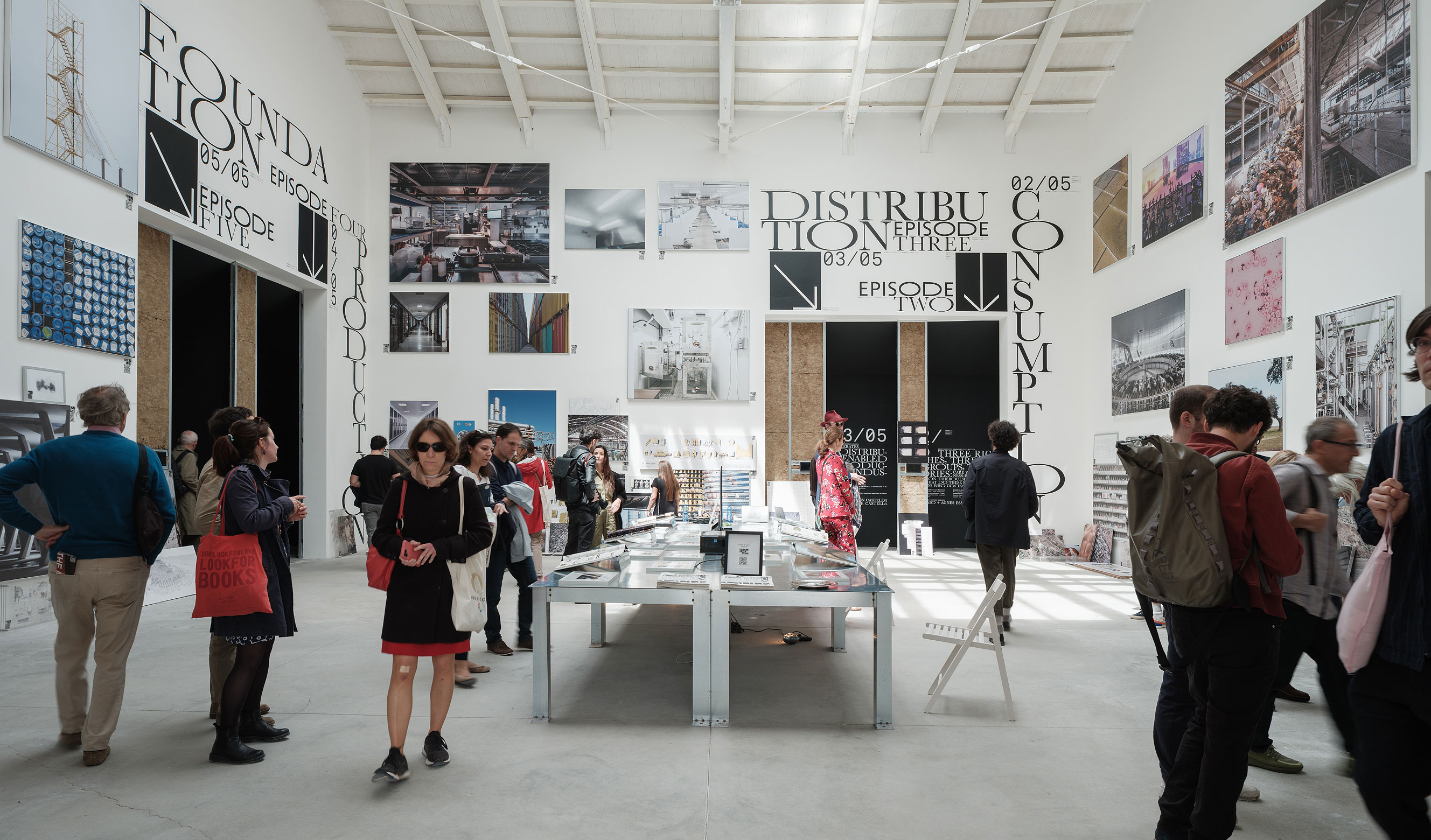
Saudi Pavilion, Biennale Architettura 2025 – 19th International Architecture Exhibition, La Biennale di Venezia
- Date
-
10/10/2025 – 12/10/2025
- Typology
-
Curatorial · Public Program · Editorial
- Curated by
-
Beatrice Leanza with Maryam AlNoaimi
- COLLABORATORS
-
Caline Matar (Earshot) · Faysal Tabbarah (Architecture and Other Things) · Cruz Garcia & Nathalie Frankowski (Loudreaders) · Matylda Krzykowski (CIVIC) · Rosario Talevi (Floating University Berlin) · Setareh Noorani (Nieuwe Instituut) · Uns Kattan (Art Jameel) · Pelin Tan (Urgent Pedagogies) · Nzinga Biegueng Mboup (Worofila)
BUILT / UNBUILT
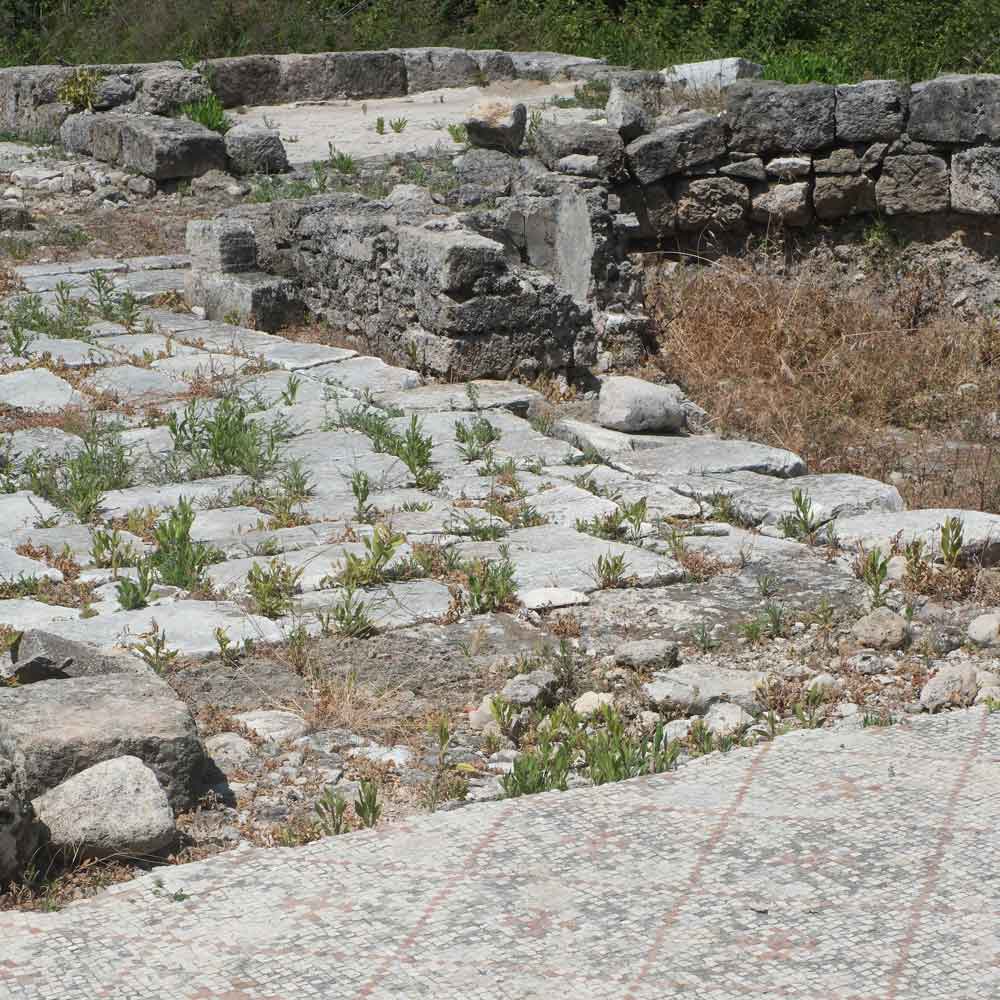
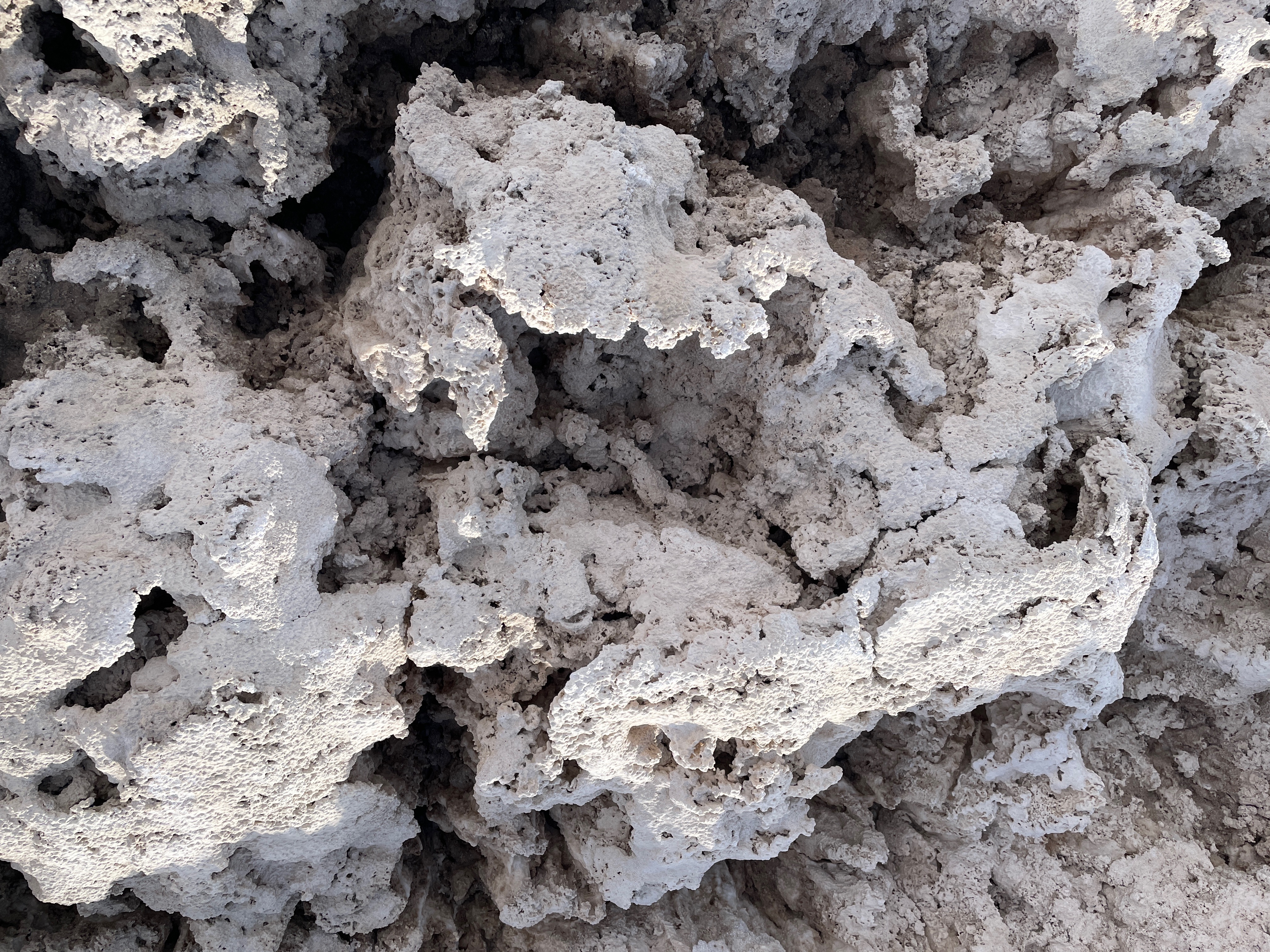
Built / Unbuilt unfolds as a year-long collaboration with the Pavilion of the Kingdom of Saudi Arabia at the Biennale Architettura 2025, foregrounding relational pedagogies and participatory spatial practices as tools to build collective spatial knowledge. Featuring the practice of Syn Architects and the Um Slaim School, curated by Beatrice Leanza and programmed by Maryam AlNoaimi, the project examines how proximity, care, and situated learning can shape alternative educational and architectural models within and beyond the Arab Gulf region. Through research, public programming, and editorial production, the project positions learning as a spatial, temporal, and relational practice—one that is continuously negotiated between the near and the distant, the familiar and the foreign.
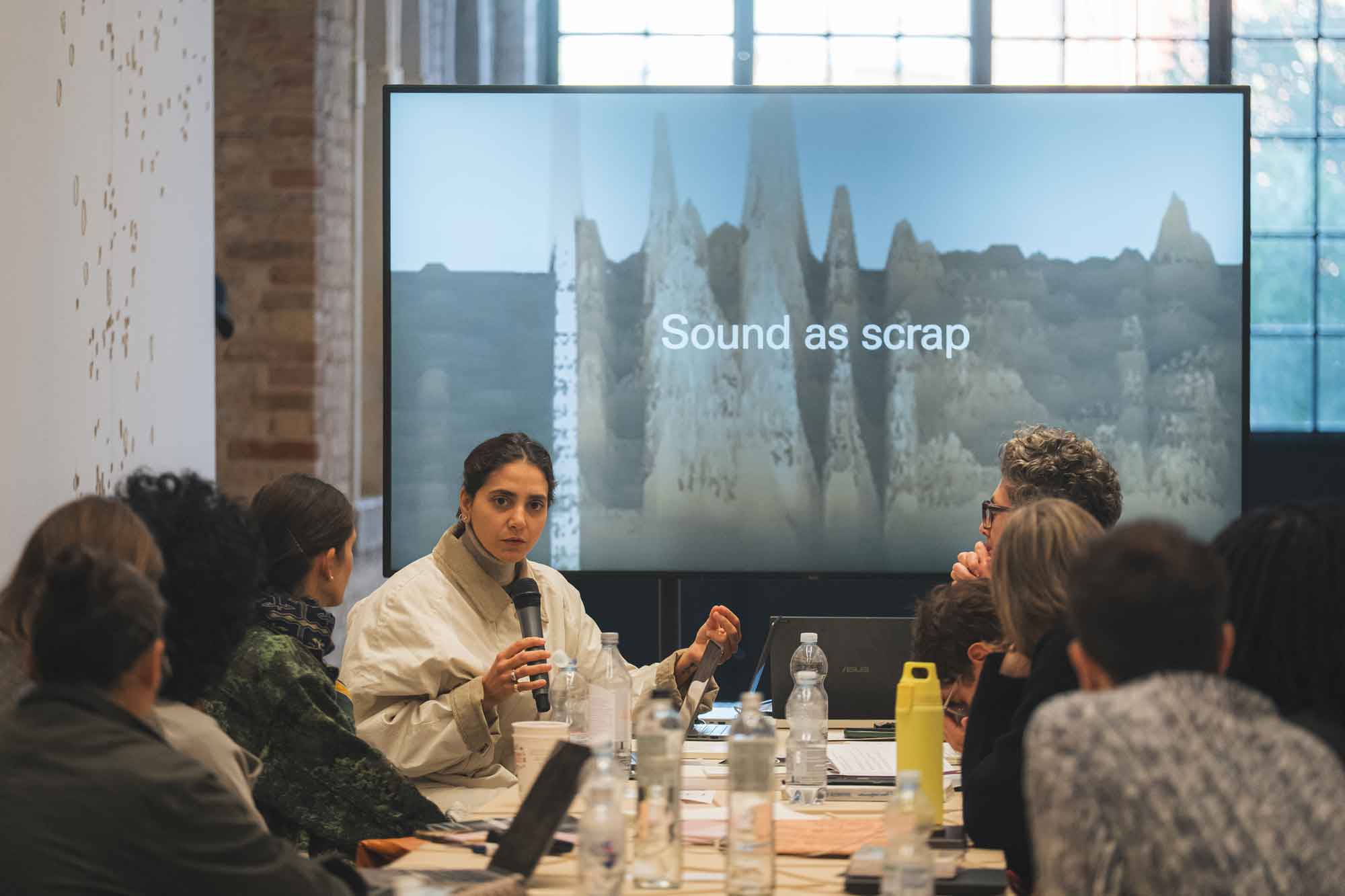
Caline Matar, Earshot
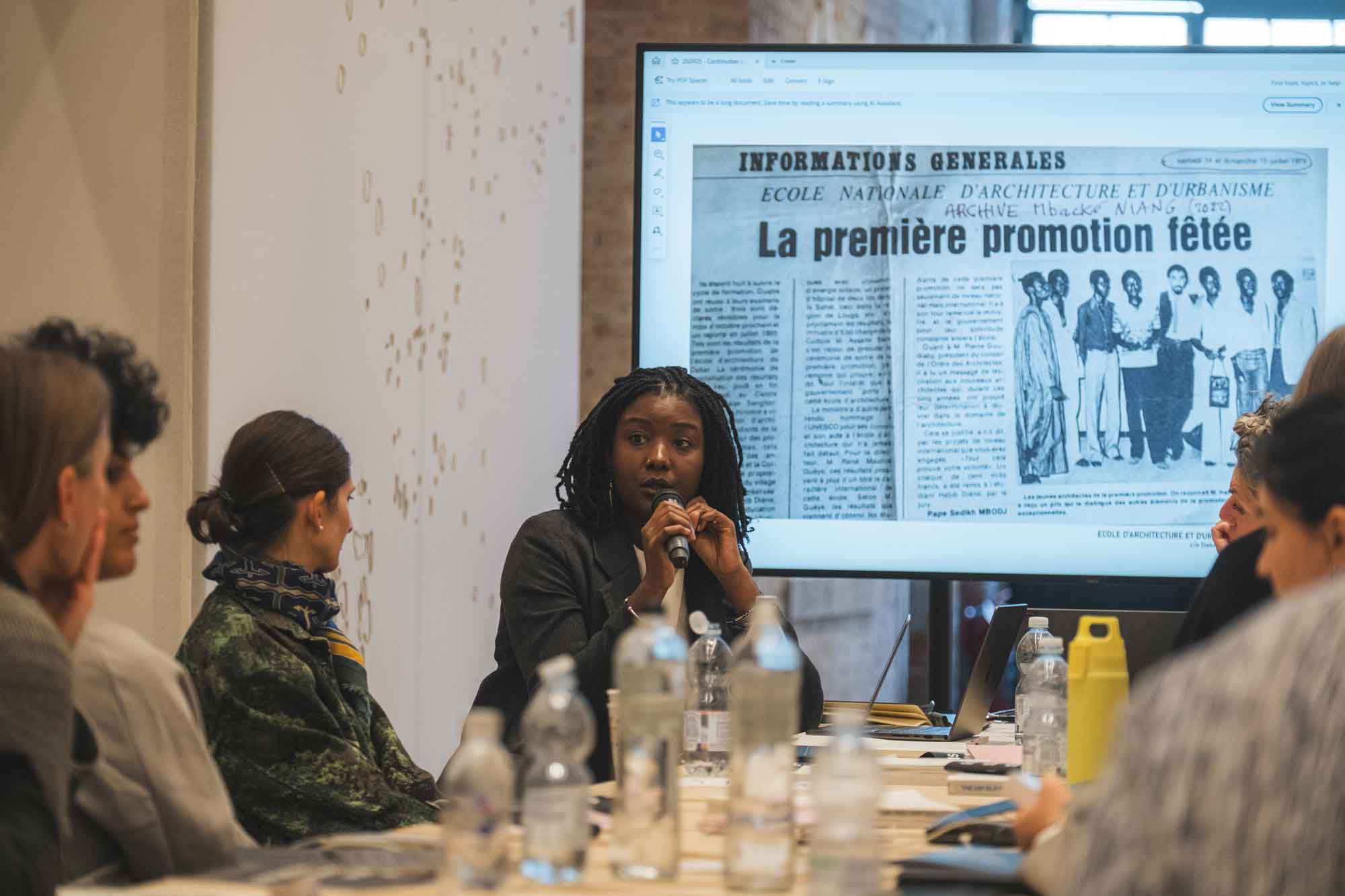
Nzinga Biegueng Mboup (Worofila)
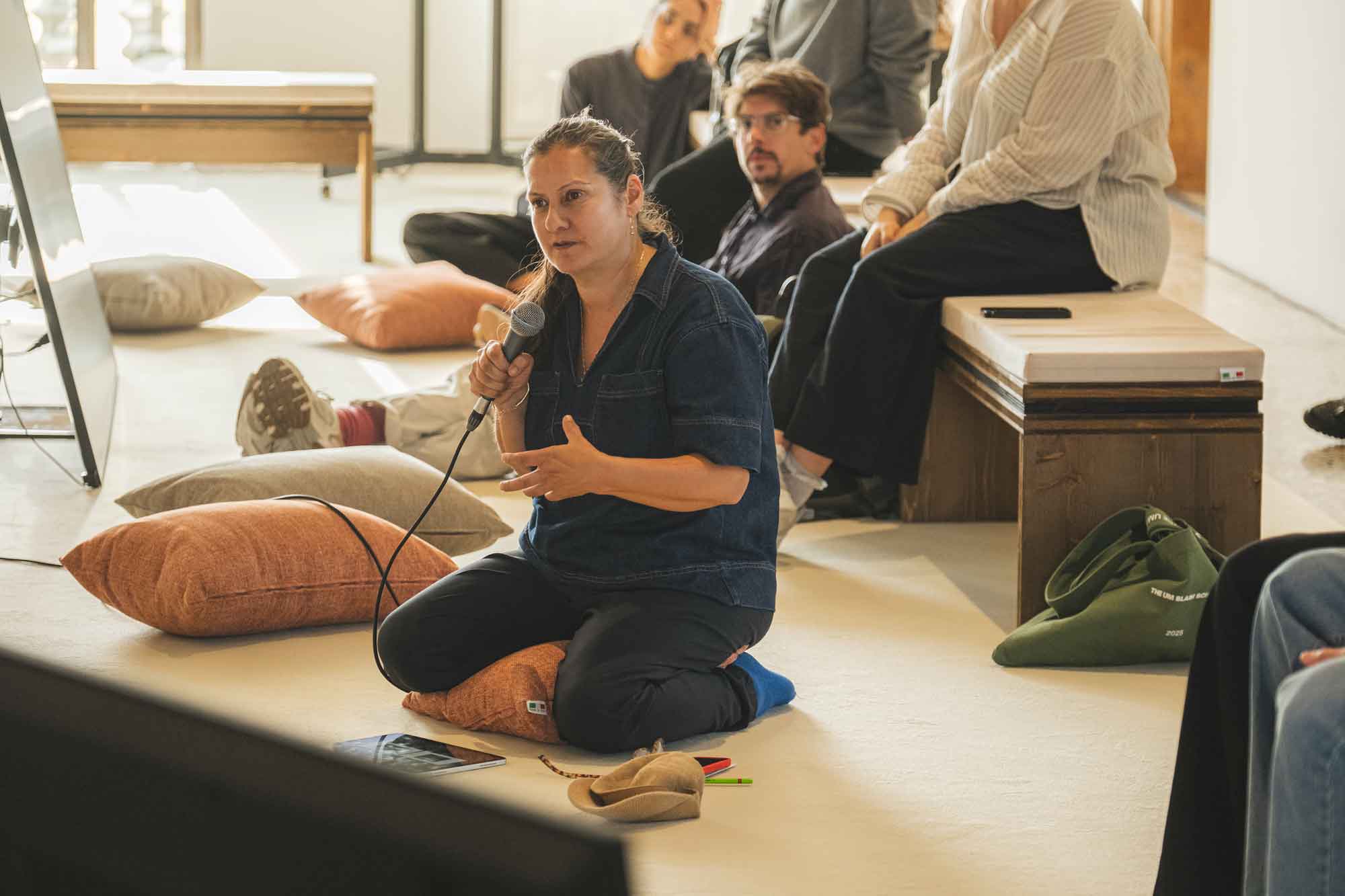
Pelin Tan (Urgent Pedagogies)
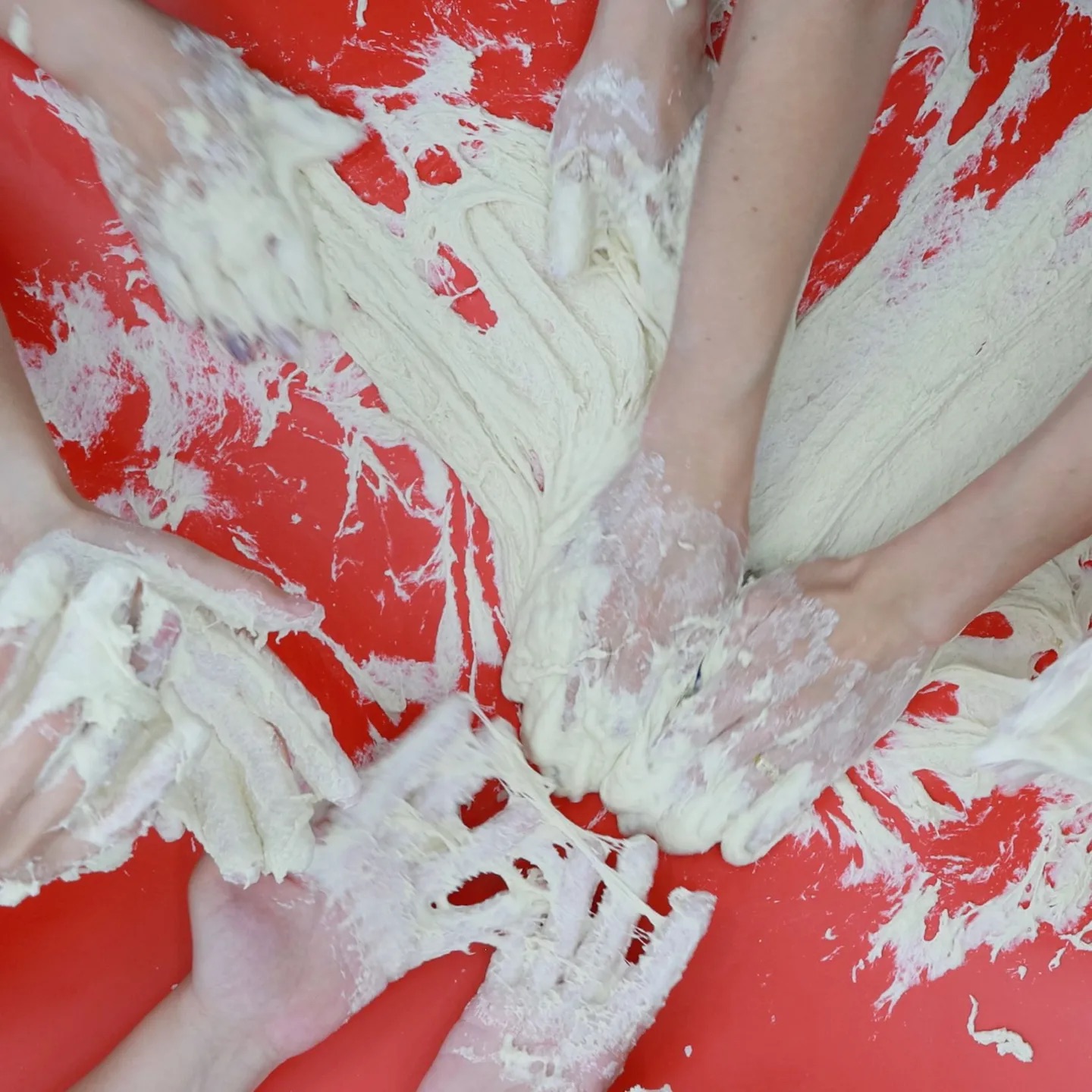
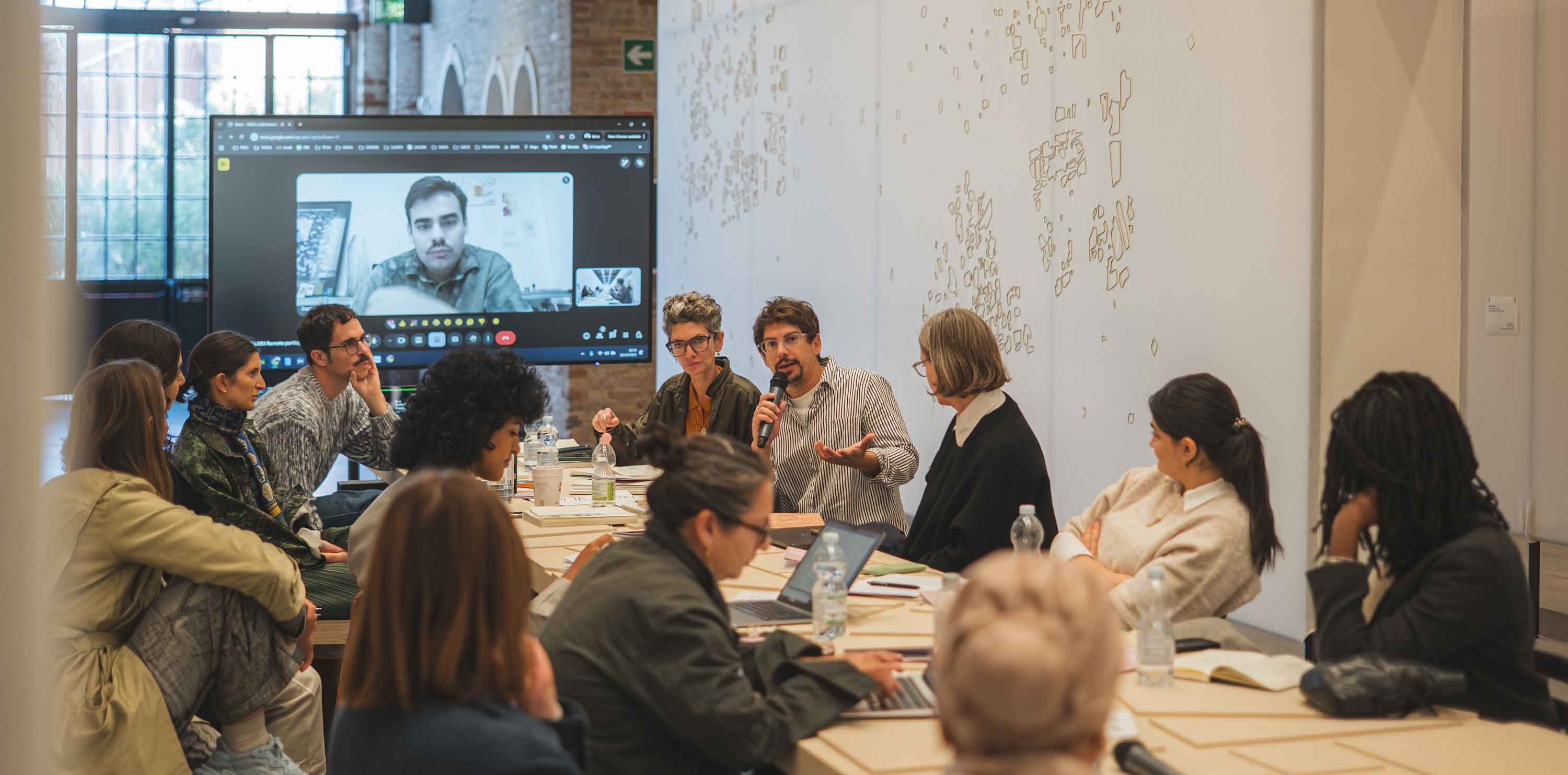
At the core of the project lies a shared inquiry: to what extent is a safe space possible, and what makes it safe? Drawing from examples across the Gulf and the wider Arab world, Built / Unbuilt seeks to articulate a renewed vocabulary of safety grounded in care, proximity, and collective learning. The Institute for Postnatural Studies supported research and programming leading to the in-person lab “Pedagogies of Proximity and Relation – Prototyping Alternative Education,” held in Venice from October 10–12, 2025. The lab explored independent architectural learning as a means to foster collaboration and co-creation, establishing new axes of knowledge through site-specific work, time-specific work, research-based practice, and practice-based research.
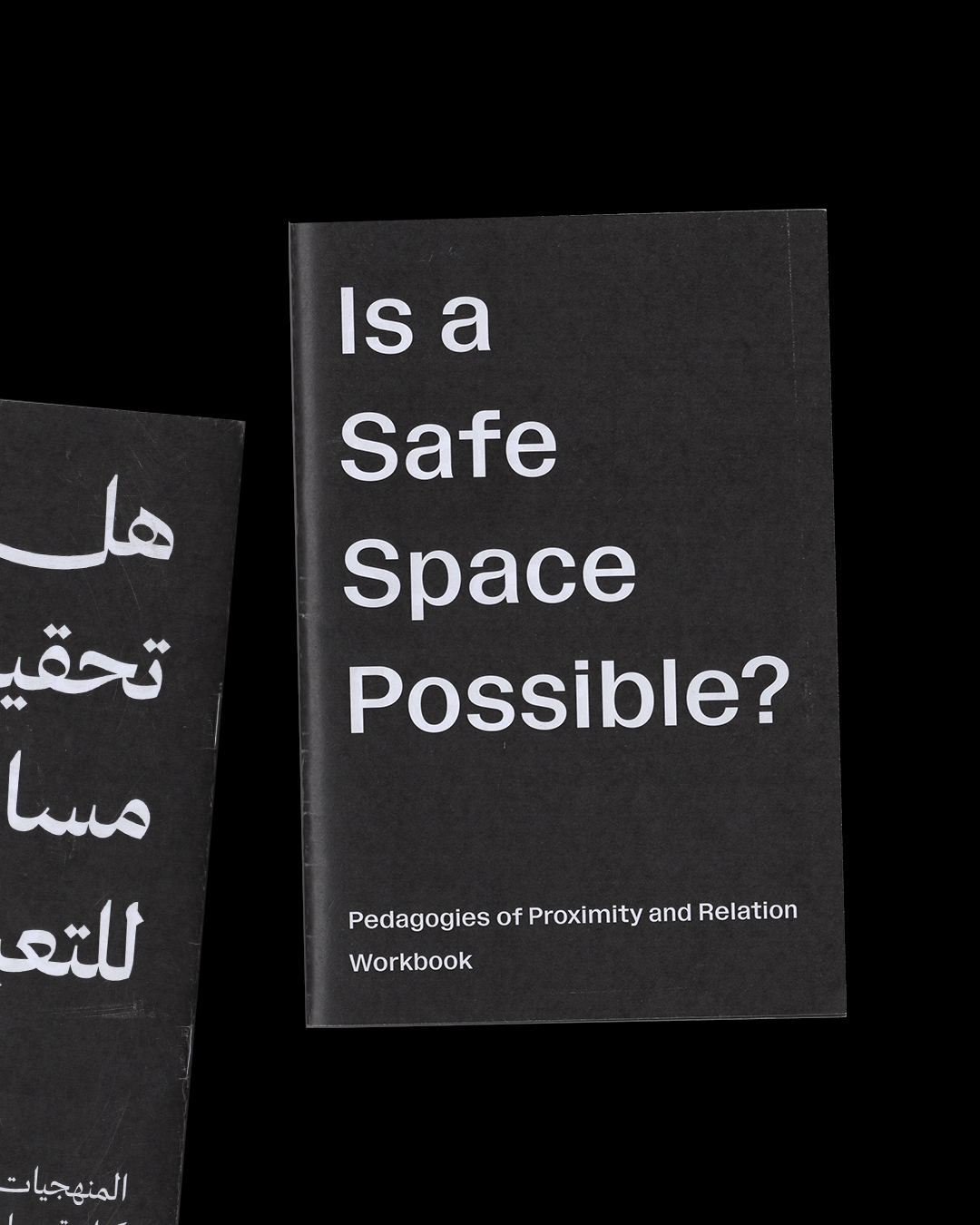
Is a safe space possible? - Workshop Booklet
IS A SAFE SPACE POSSIBLE?
As part of this inquiry, the project resulted in an exercise booklet titled “Is a Safe Space Possible?”, co-curated with architects Njood Alhussain and Haifa Alrassi. The booklet gathers questions, reflections, and care-driven examples of learning practices from across the Arab world, framing safety not as a static condition but as a continuously cultivated relational process.
Contemporary creation is often shaped by the geographical, spatial, and ecological realities in which it unfolds. Equally, the ability to learn, design, build, and connect reflects time-specific conditions. In negotiating space and time, research-based practice may shift into practice-based research, allowing knowledge to emerge through doing. Contributors were invited to reflect on how their practices engage with proximity:
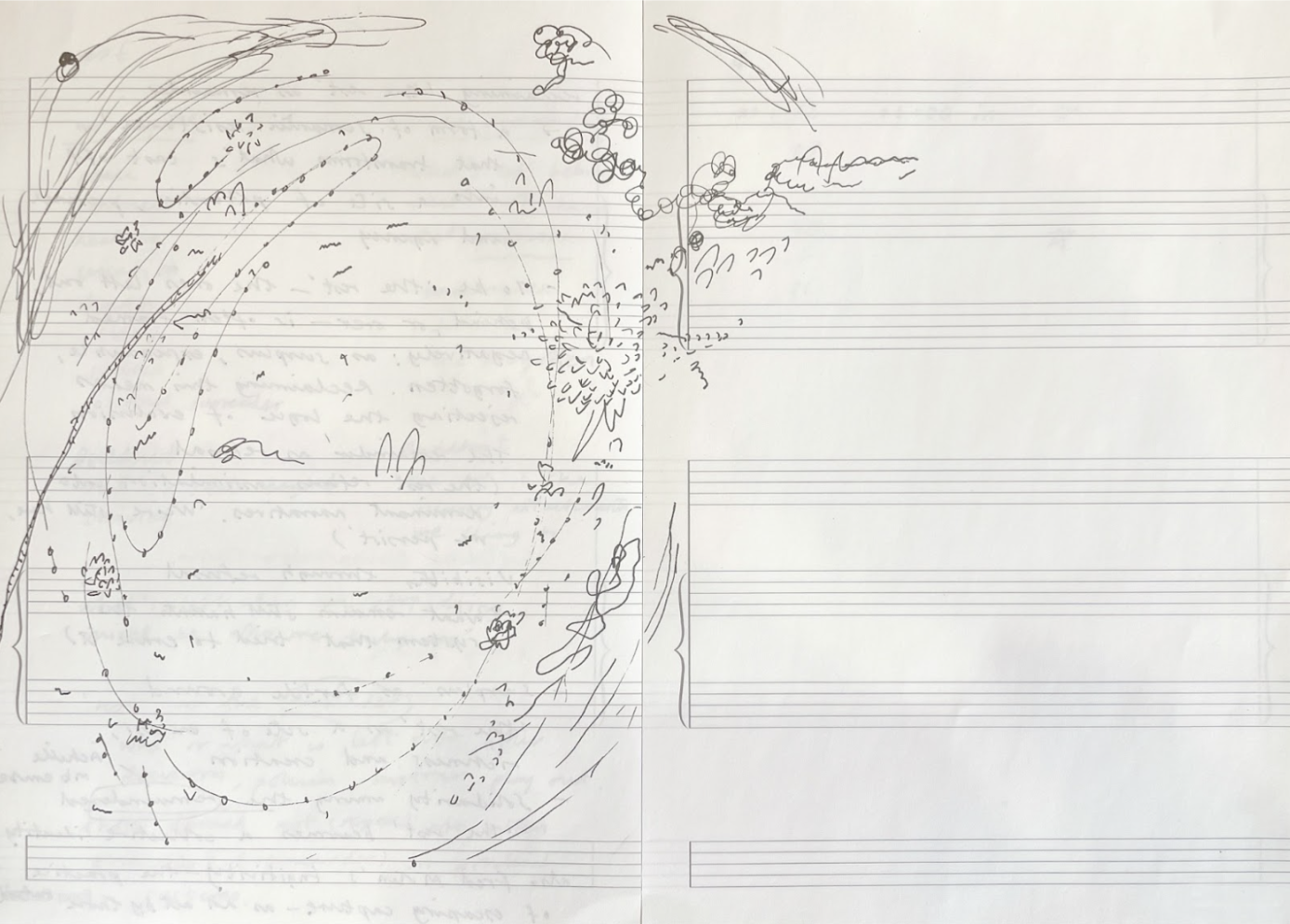
How does your practice remain close to the context that once ignited it? How do you position yourself in relation to the far and the foreign, the flourishing and the familiar? Their responses were further expanded through a visual and textual mapping exercise, locating projects and initiatives within a shared field of coordinates.
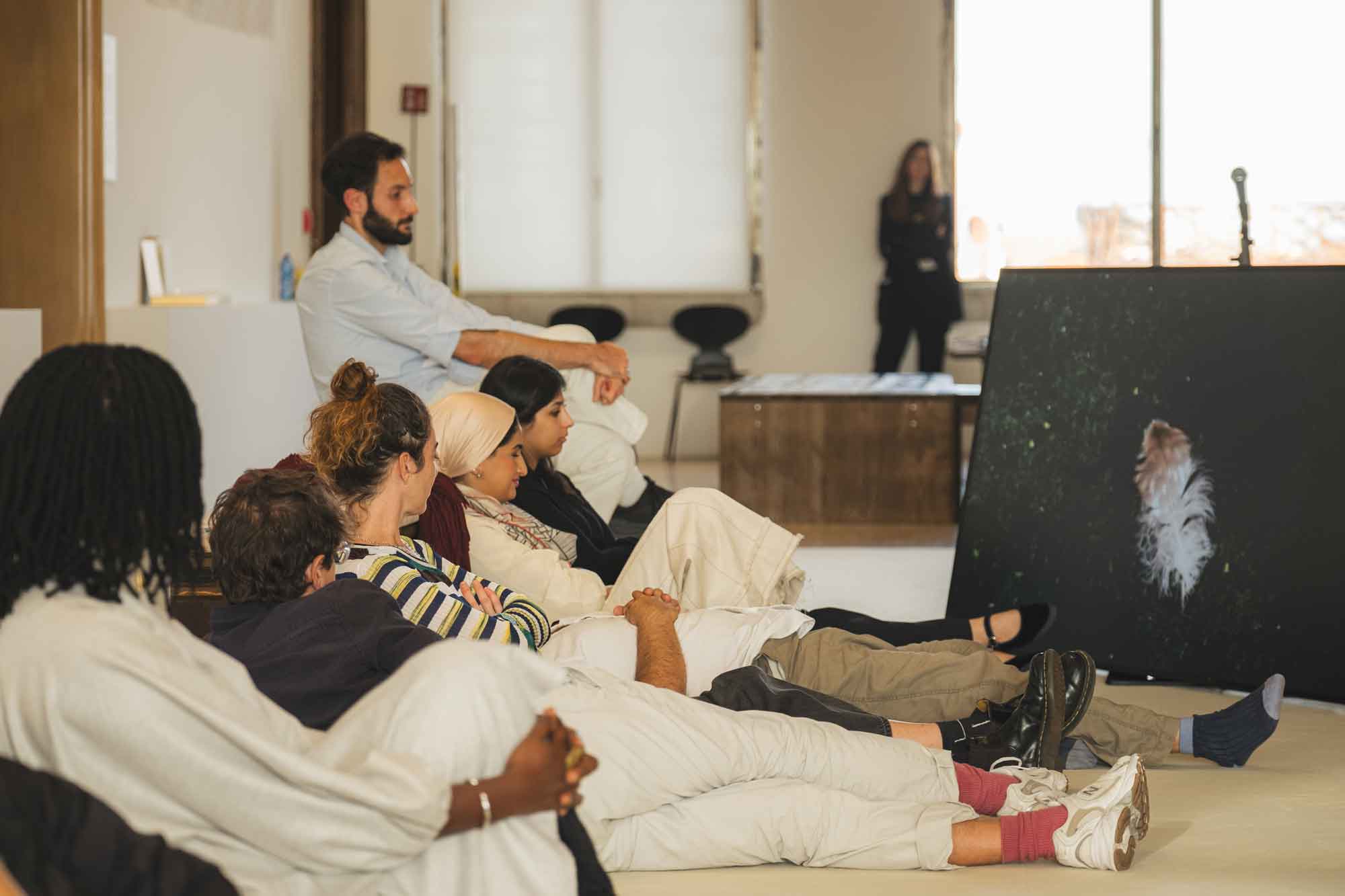
PEDAGOGIES OF PROXIMITY AND RELATION: PROTOTYPING ALTERNATIVE EDUCATION
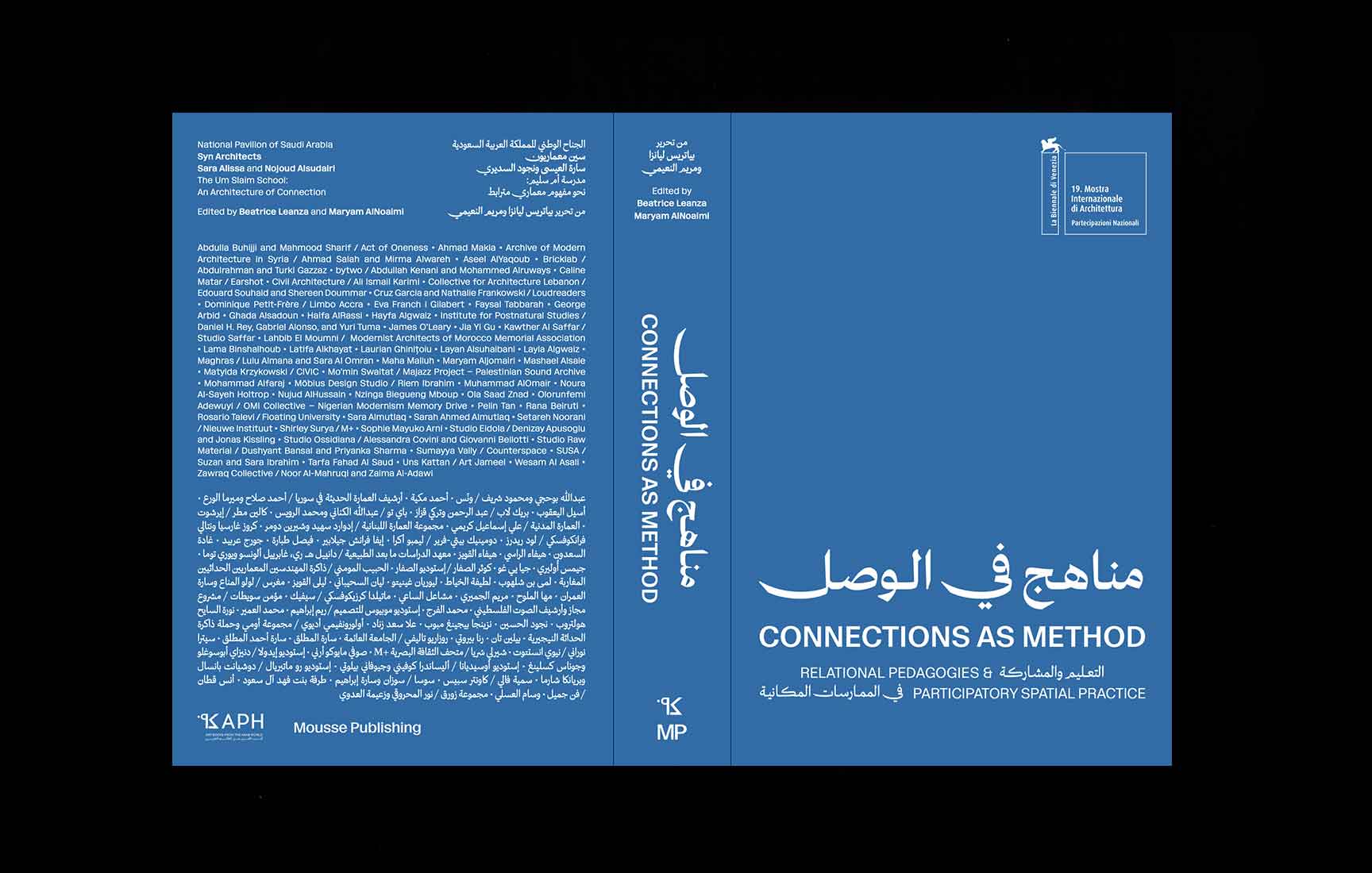
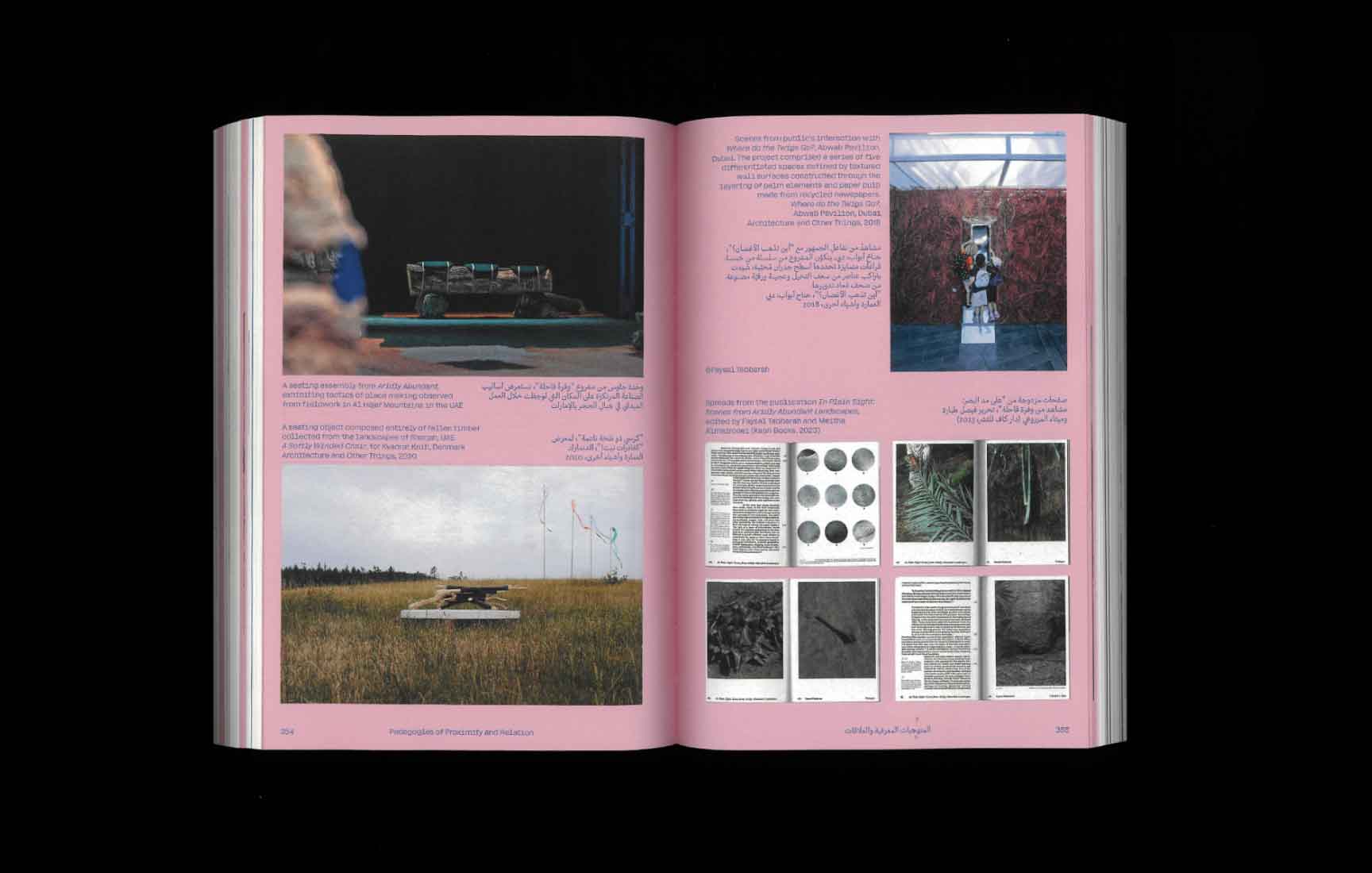
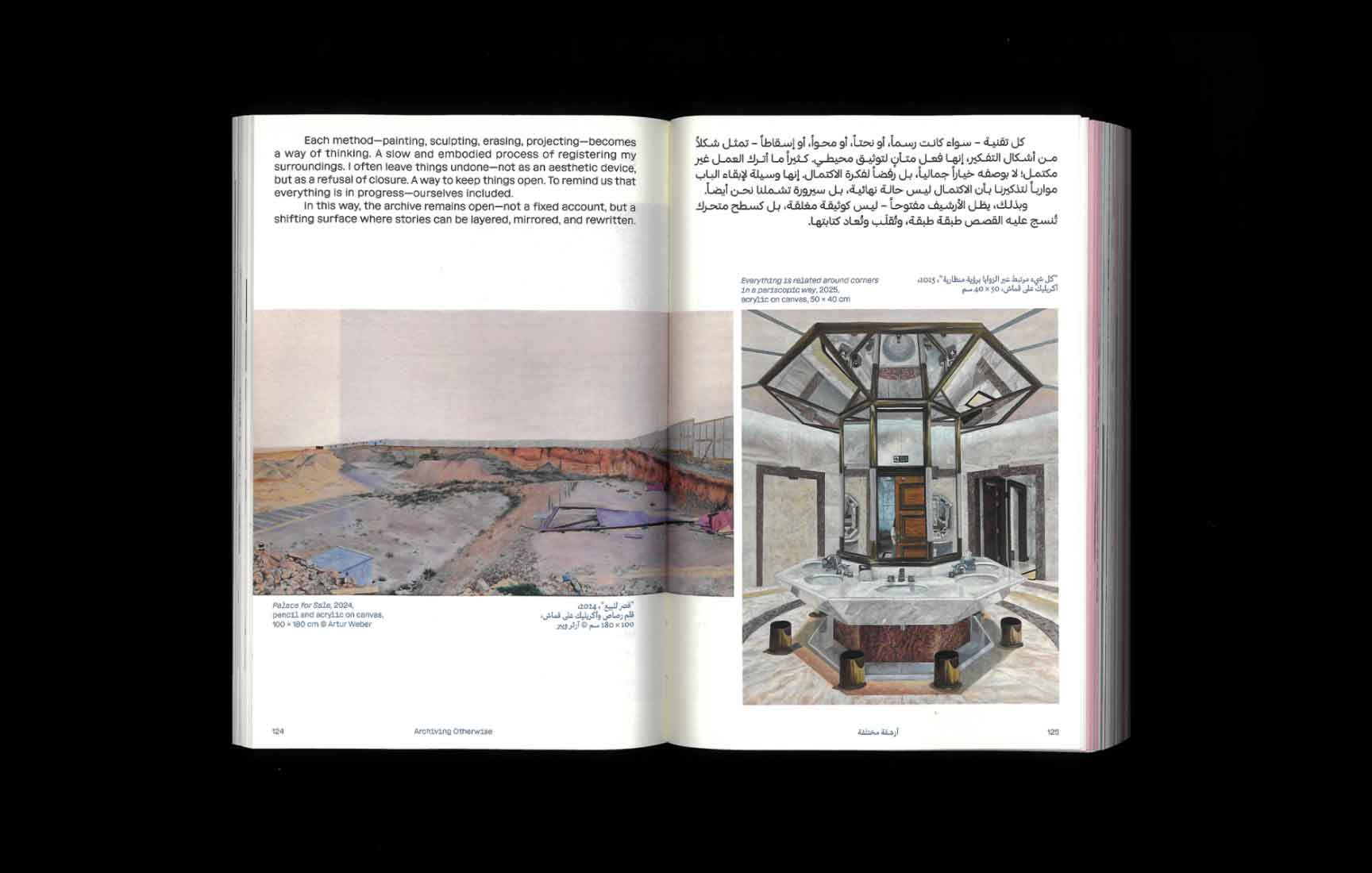
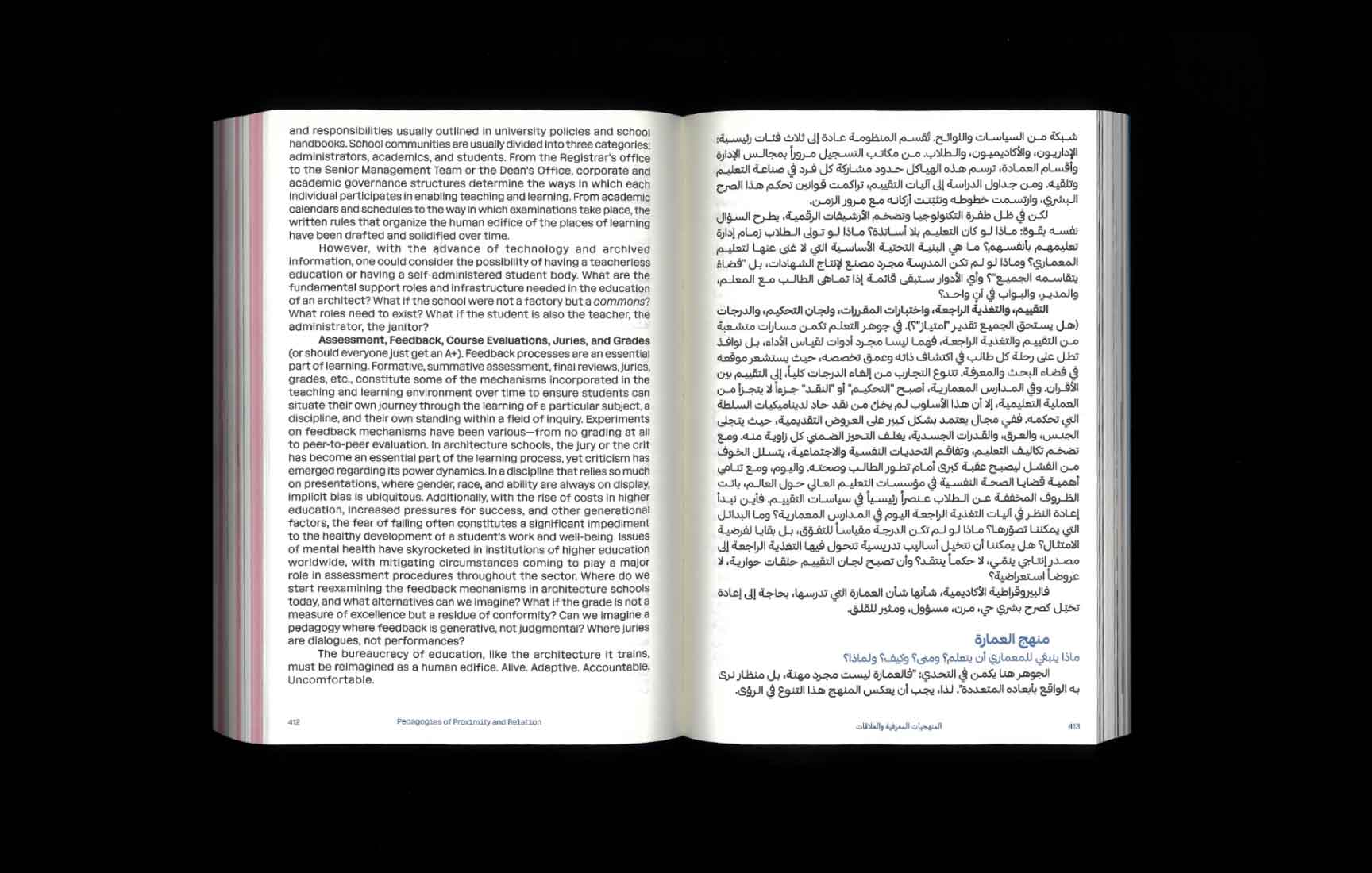
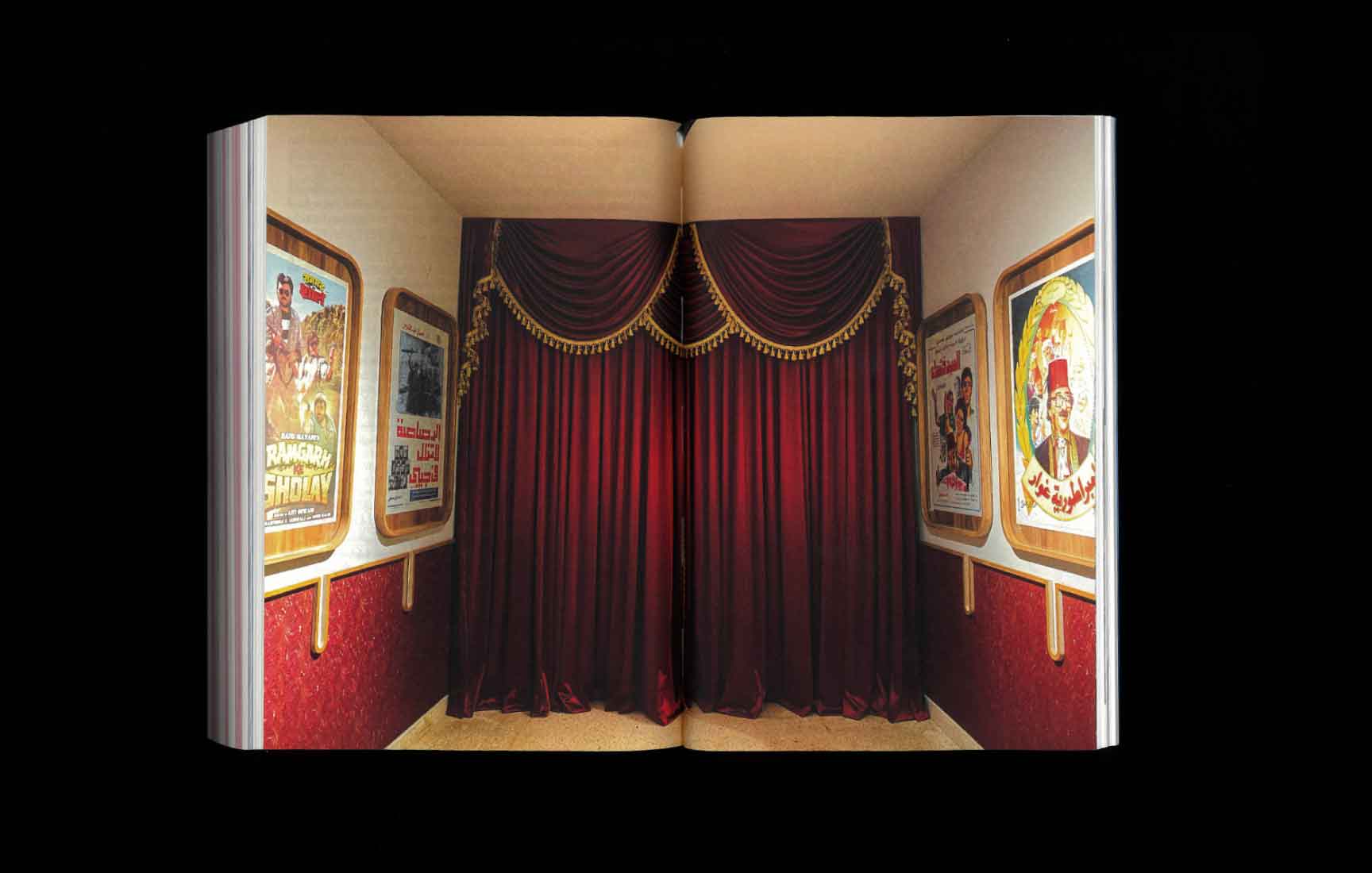
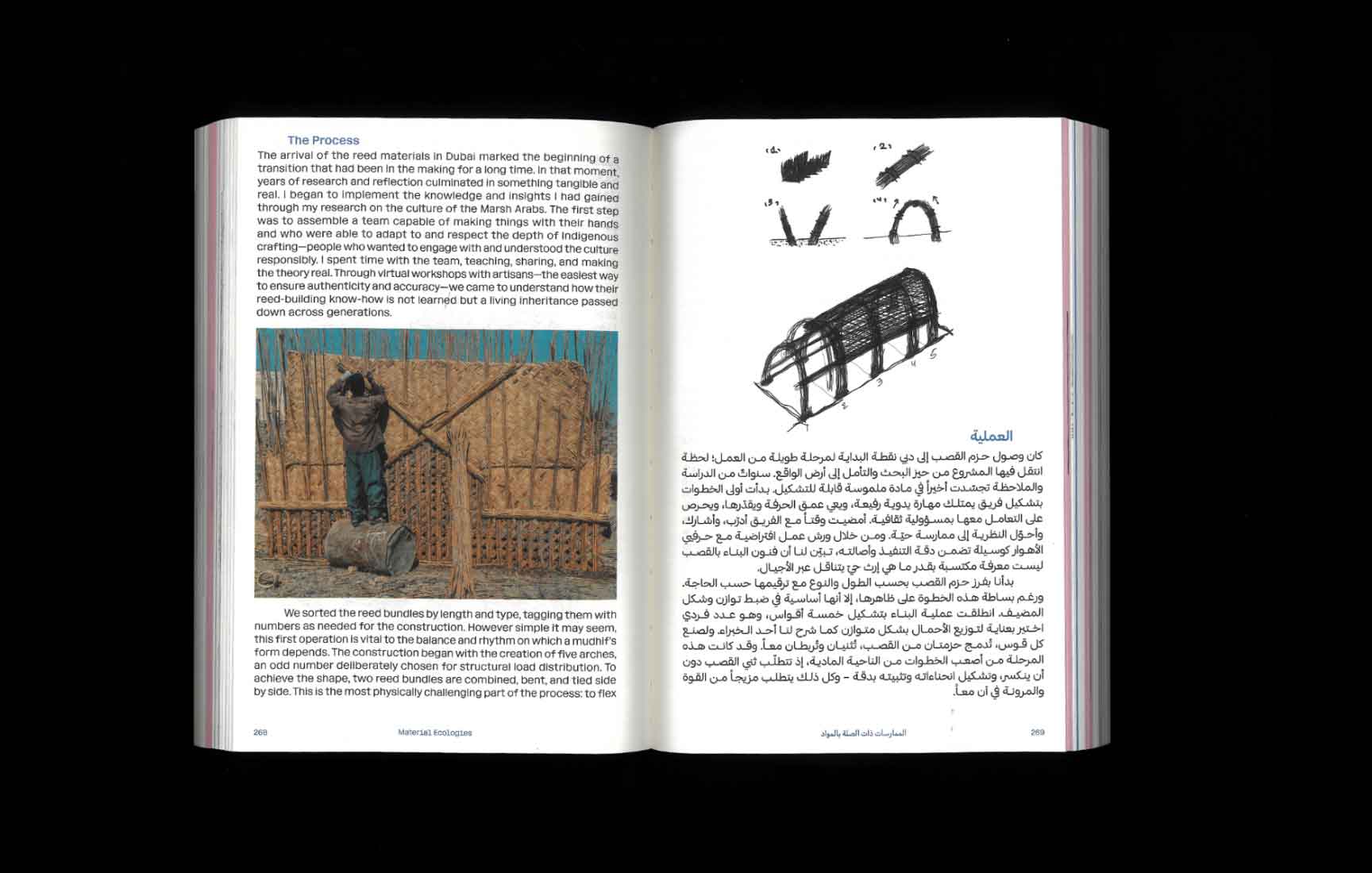
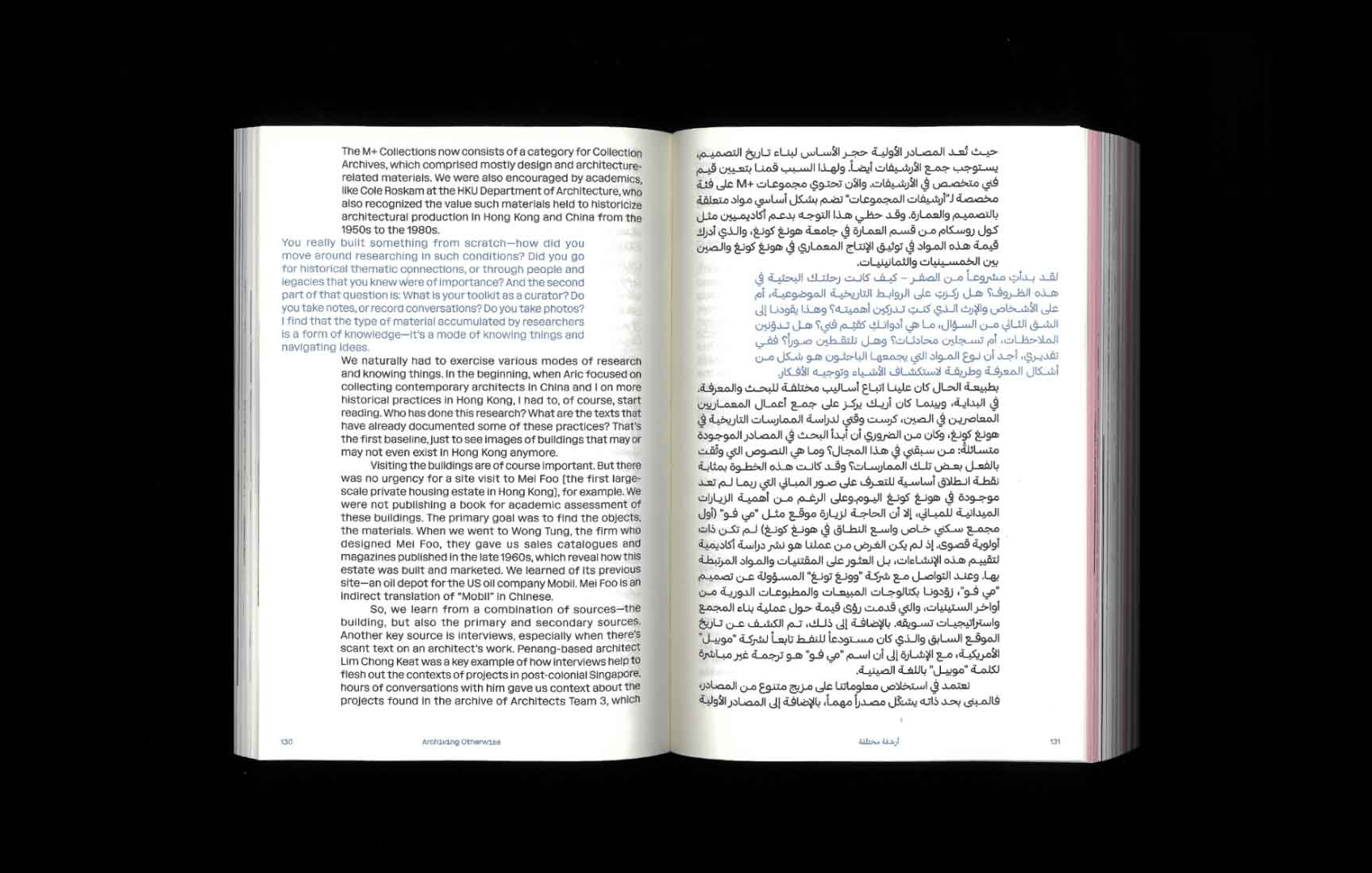
The work pursued with the pavilion has been immortalized in the publication Connections as Method: Relational Pedagogies and Participatory Spatial Practice. Featuring architects, artists, educators, urbanists, and writers, the publication pilots methodologies of knowledge exchange to establish south-south networks of coproduction across disciplinary boundaries. Tracing transnational alliances, case studies, and thematics from the Um Slaim School first year, subjects of inquiry challenge established architectural canons, centering alternative spatial histories and material practices to address urgent ecological and social concerns. Within it, the chapter Pedagogies of Proximity and Relation: Prototyping Alternative Education platforms IPS and a network of global collaborators to engage with Um Slaim School as a driver for rethinking architectural education as integrated forms and modes of knowledge focused on collaboration. Thus, leveraging the agency of spatial practitioners in shaping and preserving equitable spaces and rituals of shared life. The contributors and their alternative pedagogical case studies center the notion of a safe space within a culture of relatability, harnessing multidisciplinarity, hospitality, and mentorship-over-professorship, while honoring contextual legacy and empowering transgenerational transmission of knowledge and forms of embodied learning, ecological, and social resilience.
Published by Mousse Publishing. Edited by Beatrice Leanza and Maryam AlNoaimi. 2025, English / Arabic, 560 pages
Credits
- Commissioned by
-
National Pavilion of Saudi Arabia at the Biennale Architettura 2025
- Media Partner
-
Learn more via Saudi Pavilion and the dedicated coverage on KoozArch
- Photos
-
Images courtesy of the Saudi Pavilion, 2025.